
Analysis
Choosing an AI Chatbot for Your Website: Features, Costs and Pitfalls
What separates a helpful website chatbot from an annoying one: knowledge sources, handover to humans, languages, privacy and how to measure results.
How to Write Better AI Prompts for Business Tasks: A Practical Guide
Clear context, examples and a defined output format turn vague AI answers into useful work. Practical prompt patterns for emails, reports, analysis and support.
AI Agents in Business: Practical Use Cases, Limits and How to Start
AI agents can now use tools and complete multi-step tasks. Where they deliver real value today, where they still fail, and a safe way to pilot them.
What Is RAG? Retrieval-Augmented Generation Explained for Business Teams
RAG lets an AI assistant answer from your own documents instead of guessing. How it works, what it costs, where it fails, and how to start small.
Latest in AI & Tools
At MIT, Martha Minow speaks on sustaining democracy, both by using and overcoming AI
In Compton Lecture, the distinguished legal scholar warns of potential “loss of the Enlightenment” while suggesting ways innovations can meet our civic and cultural needs.

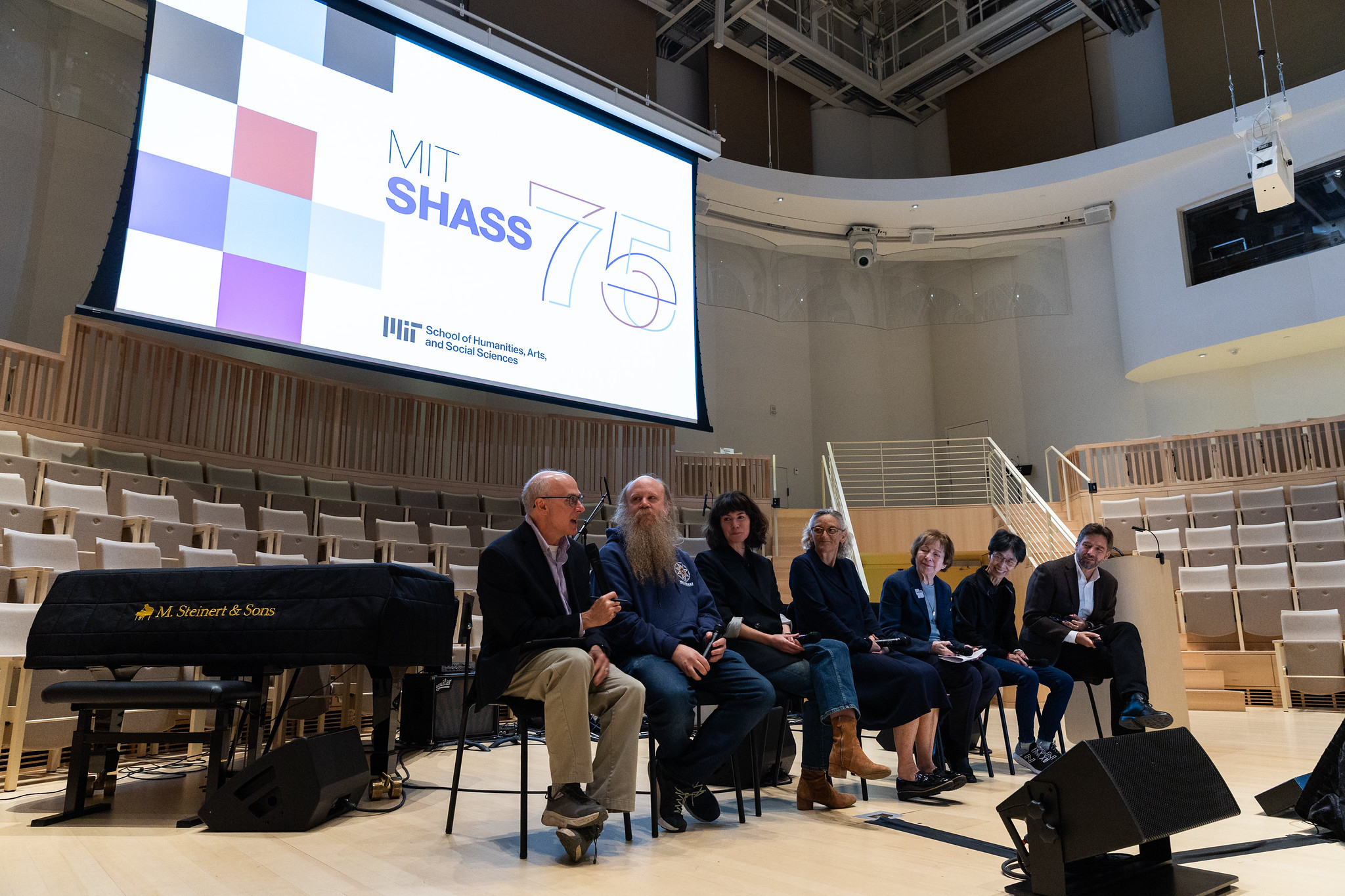
Reinforcing the value of human understanding at MIT
During the School of Humanities, Arts, and Social Sciences’ 75th Anniversary Symposium, President Sally Kornbluth said “MIT has never needed your particular insight and guidance more than we do now.”
Rapidly scaling online storage to serve over 1 billion ChatGPT users (Part II)
Learn how OpenAI scaled Habitat with reliable multi-tenancy, global caching, and Azure Cosmos DB to deliver 12× faster reads for ChatGPT.
LitPivot: Developing research ideas through dynamic contextualization within the literature landscape
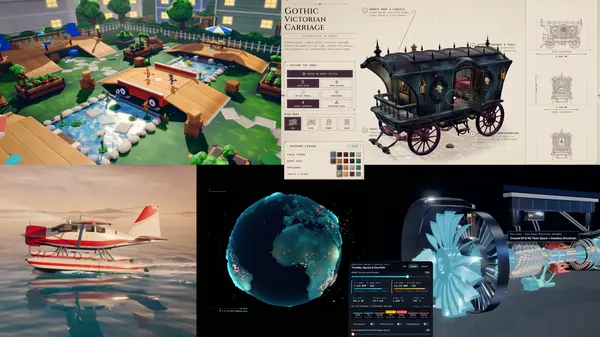
See what 5 builders are making with Gemini 4 Argon
Collage showing five builds with Gemini 4 Argon
Securing our frontier model training environment
OpenAI explains how we strengthened containment for frontier model training and evaluation, including offline environments and high-compute red-teaming.
Q&A: How AI came to model the “messy” human mind
Assistant Professor Benjamin Lindquist studies how engineers deliberately injected randomness into early AI, giving rise to deep-learning models that sometimes hallucinate.

Kazakhstan Expands Compute for Its AI Future
Kazakhstan’s AI ecosystem is moving from infrastructure plans to deployment. The shift is visible across the full AI stack — from infrastructure to models to applications. The announcements below — coinciding with a visit to Astana by NVIDIA founder and CEO Jensen Huang — point…

Does Your Model Run on AWS Trainium? Look It Up
OpenAI and Poland’s NASK partner to advance AI safety and security
OpenAI and Poland’s NASK are partnering on AI safety, security, and technical research to strengthen safeguards and support a more resilient digital ecosystem.
Turning Database Grading into RL Rewards: Post-Training Agents with ThinkingBox
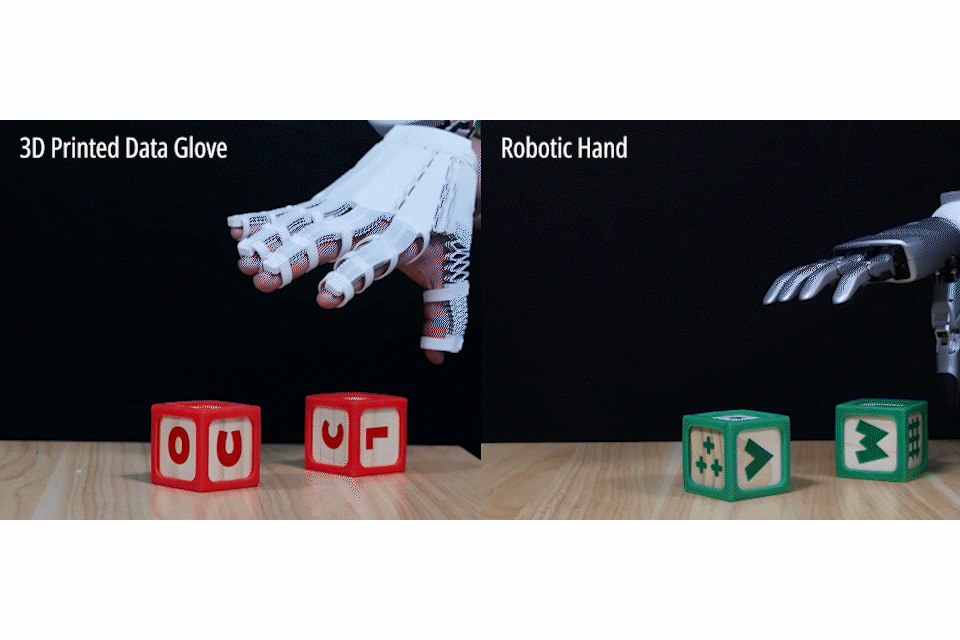
This design software reimagines everyday objects as self-aware devices
“X-Hinges” helps design and 3D print items like lamps and gloves with an interactive twist: automatically embedded sensors that perceive and adaptively respond to human contact.
Build more responsive apps with the Decisions API
Fast, focused, low-cost decisions for any application.
NVIDIA Unveils Minerva to Bring End-to-End Observability for AI Factories
Launched today, NVIDIA Minerva is an AIOps platform built to help teams find problems earlier and keep AI factories productive. It brings together telemetry from infrastructure and AI workloads, then applies purpose-built AI models to turn that data into timely, actionable insight. AI factories are…

Beyond tree cover: mapping the world’s forest types
A global map categorizing every 10-meter patch of land on Earth into distinct forest types.
